

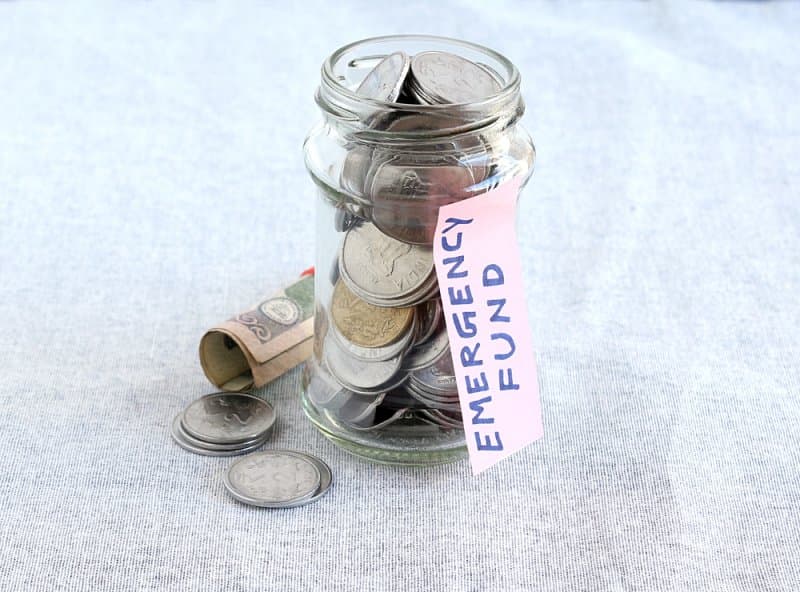
Saving is essential, but where you save and what it will be for is equally crucial. When we compare savings vs. an emergency fund, it all boils down to use and access.
They help you build financial resilience, but while they have a similar effect, they are used for different things, and how they work is what matters.
These are not two separate concepts; they are one and the same, in a way. The only difference between an emergency fund and a savings account is that your emergency fund is not something you can touch. You set this money aside for emergencies.
Different primary uses—general savings are for saving for other planned purchases or your personal priorities. You could save for a holiday, a new car, home upgrades, or a planned purchase. Both types of saving put your money in a safer place, but keep them separate to prevent you from dipping into your emergency money.
An emergency fund is an account to cover the unexpected—it enables you to pay for it without tapping into your credit cards or taking out a personal loan. It needs to be liquid for when "stuff hits the fan," but far enough removed from your checking account to prevent impulse spending.
Regular savings are more adaptable to use for your expenditures, your future expenditures, and your lifelong end goal. Knowing the distinction between an emergency reserve and your investment fund can help you settle on the amount of cash you should save for every goal and help you avoid the confusion between your uses for cash.
An emergency fund means protecting yourself when a situation happens that is costly, unavoidable, and has no room in the budget. It does not mean protecting your shopping habits or planned outings. It is there to give you a safety net for a crisis.
Some examples of typical expenses that emergency savings could cover are:
For instance, if your vehicle breaks down and you need it to get to work, your emergency fund will cover the repair costs. But if you buy a new car when you have a car that works just fine, that expense is considered a planned savings cost.
"The usual advice is that you should try to have three to six months' worth of expenses saved up so that you can take care of any financial surprises without having to always borrow or take the money out of your retirement savings."
What counts as a solid emergency fund will differ. Those who are comfortably employed and have fewer financial commitments may not need as large a bucket of cash as freelancers, single-income families, or those with children.
However, you'll get a clearer picture of how much you'll need if you list the necessary expenses from your paycheck, such as housing, groceries, utilities, insurance, transportation, and debt minimums.
For instance, if your necessary expenses add up to $2,500 a month, your target may be something like this:
Use an emergency fund calculator to determine your savings goal by multiplying your essential expenses each month by how many months you need a fund for. Then, you can fine-tune your goal to your income, work situation, and financial responsibilities.
Yes. While keeping various accounts open is hardly always the perfect answer, dividing your money up in this way is usually a good idea. If you have separate accounts, then you'll be able to tell money that you are saving up for a special purchase from money that is for emergencies.
Save your emergency fund in a savings account that pays you interest, like a high-yield savings account. Additional savings can be in another account, depending on your saving goals and when you anticipate spending this money. Find accounts with low fees, quick access, and the deposit insurance coverage you need.
It's difficult to save money when you are constantly dealing with bills, debt, and other expenses every month. If you're unable to save thousands of dollars today, begin with saving a couple hundred dollars, and gradually add to your savings.
Here are a few tips:
When you have an initial emergency fund of one hundred to three hundred dollars in an accessible account, work your way toward three to six months of expenses. Make small, regular deposits.
Knowing the difference between an emergency fund and savings is important in helping you allocate your money. You can use your savings to execute the purchase plans and meet your personal goals, but an emergency fund is there to see you through a financial emergency. Keep them apart, keep your goals in perspective, and save regularly.
You don't have to save everything immediately; just start where you can afford to and grow it as your financial situation allows.
In general, it's preferable to store emergency money away from stocks because the value of stocks is likely to drop when you most need the cash. Readily available savings accounts are more stable and easier to access when you have an emergency.
Couples may choose to have an emergency fund for bills that is common but also keep personal savings for individual goals. Which is best for them will depend on their income, responsibilities, and how well they work together financially.
Yes, you are good to use your emergency fund if you are unable to meet the necessities due to the real financial crunch. But you should repay the amount when you are back on track to normal income.
No. You want to keep your emergency money separate from your retirement fund. Those retirement savings are for a long-term requirement, and you don't want to dip into that account early.
Pick a savings account that is simple and accessible, has low fees, and has a manageable deposit cover. Don't put all of your savings into an account with restrictions on withdrawals or early withdrawal penalties—just in case you need those funds urgently.
This content was created by AI